Quick Answer
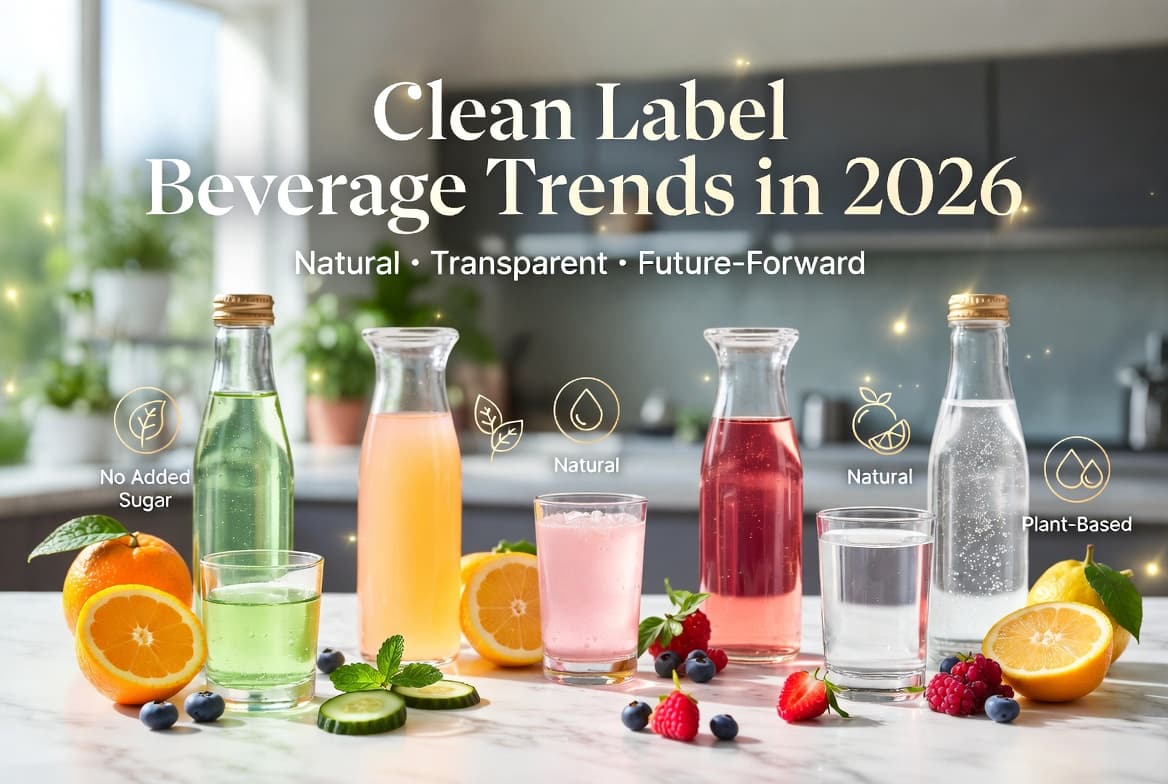
In 2026, clean label is no longer a niche concept. It has become a key part of mainstream product evaluation across global beverage categories. Importers, distributors, and retail buyers are increasingly looking for beverages that feel simple, transparent, and easy to explain to consumers.
This guide explores the clean label beverage trends 2026 buyers are watching most closely, with a focus on commercial relevance and sourcing decisions.
1. Ingredient transparency matters more than ever
Buyers value products with ingredient lists that are easy to read, easy to translate, and easy to communicate across channels. Clear ingredient statements help build trust and make products easier for retailers to promote.
For export markets, transparency also reduces confusion during product presentations and listing discussions.
2. Shorter ingredient lists attract attention
Many buyers see shorter ingredient lists as a positive signal of simplicity. Products that avoid unnecessary complexity often feel more modern and commercially attractive.
However, simplicity should be communicated carefully. Strong positioning comes from clarity and credibility, not exaggerated claims.
3. Natural fruit and plant-based positioning stays strong
Fruit-based and plant-based beverages continue to align well with clean label drinks trends. Tropical juice, coconut beverages, and aloe vera drinks naturally benefit from recognizable ingredients and refreshment-led positioning.
Buyers are often more interested in products with familiar, easy-to-understand ingredients than those built around technical formulation stories.
4. Less artificial messaging is a stronger filter
In 2026, buyers are paying closer attention to how beverages are presented. Products with cleaner messaging around flavor, color, and overall perception often create more confidence.
This is especially important for shelf communication, where quick understanding influences purchasing decisions.
5. Packaging clarity supports clean label success
Clean label is not only about ingredients. Packaging also matters. Buyers notice whether front-of-pack messaging is clear, consistent, and easy to process quickly.
Simple packaging communication improves retail readiness and makes products easier to present in catalogs or export meetings.
6. Expectations vary across markets
Clean label does not mean the same thing everywhere. Some markets prioritize naturalness, while others focus more on reduced complexity or plant-based appeal.
Understanding these regional differences helps buyers choose products with stronger local relevance.
7. Taste and functionality still matter
Clean label alone is not enough. Buyers still expect beverages to deliver strong flavor appeal, suitable shelf life, and packaging formats that match real channels.
Successful products combine label clarity with everyday commercial practicality.
8. Credible claims win trust
Buyers are more cautious about vague claims. They prefer messaging that is factual, compliant, and easy to defend in trade conversations.
Brands that communicate clearly often build stronger long-term confidence.
9. Why clean label matters in 2026
Clean label supports category growth by helping buyers respond to changing consumer expectations. It is not just branding - it is part of smarter assortment planning.
Conclusion
The leading clean label beverage trends 2026 center on ingredient transparency, simple communication, natural positioning, and realistic market fit. Buyers want products that are easier to trust, easier to explain, and easier to sell.
Explore VINUT’s tropical beverage portfolio, request our catalog, or contact us for market-specific clean label beverage solutions.
VINUT Team
Beverage Industry Analyst
The VINUT editorial team brings 15+ years of expertise in Vietnamese beverage manufacturing, global export markets, and B2B industry trends across APAC, EU, and Middle East regions.