Quick Answer
1. Overview of Beverage Packaging Options
Choosing the right packaging is a critical decision for any beverage brand. Each format aluminum cans, PET bottles, glass bottles, and cartons offers distinct advantages in terms of sustainability, product protection, and cost efficiency. The right choice helps brands align with market expectations while optimizing supply chain performance.
2. Key Comparison Factors
2.1. Environmental Impact
Aluminum is highly recyclable and supports a strong circular economy. Cartons offer a relatively low carbon footprint for juice and dairy products. PET is lightweight but recycling rates vary by region, while glass, although recyclable, has a higher environmental impact due to its weight.
2.2. Transportation & Logistics
Cans and PET bottles are lightweight, helping reduce shipping costs and CO₂ emissions. Glass is heavier and increases logistics expenses, while cartons provide a balance between protection and transport efficiency.
2.3. Product Protection
Glass offers an inert barrier that preserves taste and quality. Aluminum cans protect beverages from light and oxygen, while PET and cartons are suitable for products with shorter shelf life.
3. Best Use Cases by Packaging Type
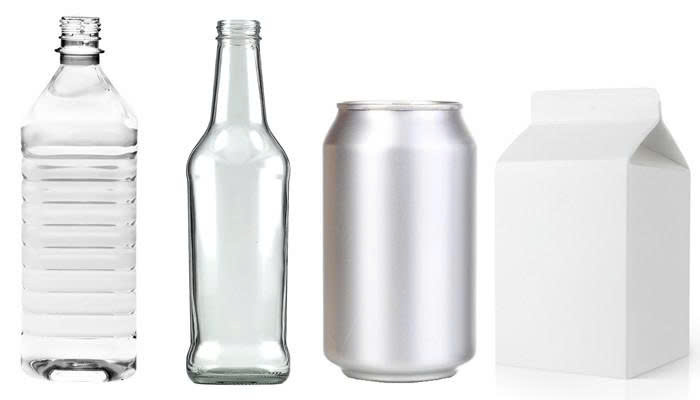
Vinut_Types of beverage packaging
- - Aluminum Cans: Carbonated drinks, energy drinks
- - PET Bottles: Water, juices, RTD beverages
- - Glass Bottles: Premium beverages, cold-pressed juices
- - Cartons: Milk, plant-based drinks, juices
4. Packaging Insights: Key Questions Answered
Which packaging is most sustainable?
Aluminum and cartons are strong options due to recyclability and lower carbon footprint.
What is best for premium positioning?
Glass bottles are ideal for preserving flavor and elevating brand perception.
Which packaging is best for export?
PET bottles and aluminum cans are preferred for durability and cost-efficient logistics.
5. Conclusion
Each packaging type serves a different purpose. The optimal choice depends on your product characteristics, brand positioning, and distribution strategy.
For more information or to explore high-quality beverage packaging and ready-to-drink solutions, feel free to contact us or visit our website. Our team is always ready to assist you in finding the right products to suit your business needs and market goals.
Related Topics
VINUT Team
VINUT Editorial Team
The VINUT editorial team shares product updates, beverage category context, and B2B distribution guidance for international buyers.