
Quick Answer
Expanding into GCC (Gulf Cooperation Council) markets such as UAE, Saudi Arabia, Qatar, Kuwait, Bahrain, and Oman offers strong growth potential for exporters. However, to succeed in these high-standard markets, businesses need a clear strategy and thorough preparation. Below is a comprehensive export buyer checklist to guide your market entry.
I. Market Research & Consumer Insights
Before exporting, understand local consumer preferences, cultuaral norms, and purchasing behavior. GCC consumers often prioritize quality, branding, and halal compliance. Conduct competitor analysis and identify your unique selling proposition (USP) to stand out.
II. Regulatory Compliance & Documentation
Each GCC country has strict import regulations. Ensure your products meet standards related to labeling, shelf life, and ingredients. Key documents include:
- Certificate of Origin
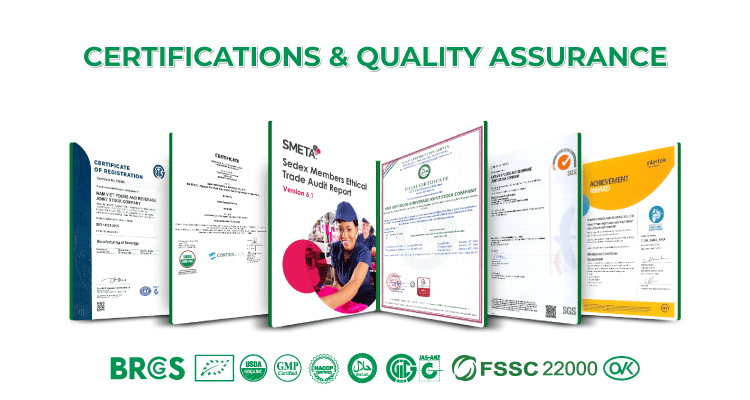
- Halal Certification (for food & beverage)
- Commercial Invoice & Packing List
- Health Certificates (if applicable)
Failure to comply can lead to delays or rejection at customs.
III. Product Adaptation
Localization is key to winning customers. Adjust packaging to include Arabic language, and tailor flavors or product formats to suit regional preferences. For example, beverages with sweeter taste profiles or functional benefits are popular.
IV. Pricing Strategy
GCC markets are competitive but often favor premium products. Factor in logistics, import duties, distributor margins, and retail positioning when setting your price. A clear pricing strategy ensures profitability while remaining attractive to buyers.
V. Distribution & Logistics
Choosing the right distributor with strong local networks is critical. Ensure efficient logistics, especially if your product requires cold chain handling. Plan inventory carefully to meet seasonal demand such as Ramadan.
Category | Key Requirements |
Market Research | Consumer insights, competitor analysis, pricing benchmarks |
Legal & Documentation | Certificate of Origin, Halal Certification, Invoice, Packing List |
Product Adaptation | Arabic labeling, localized flavors, suitable packaging |
Pricing Strategy | Cost calculation, margin planning, competitive positioning |
Distribution | Reliable local partner, retail network coverage |
Logistics | Shipping plan, cold chain (if needed), inventory management |
Marketing & Branding | Localized campaigns, trade shows, digital presence |
Payment & Risk Management | Secure payment terms (LC/TT), buyer verification, export insurance |
VI. Branding & Marketing Strategy
A strong brand presence is essential in GCC markets. Invest in digital marketing, influencer collaborations, and trade exhibitions like Gulfood. Highlight product quality, health benefits, and certifications to build trust.
VII. Payment Terms & Risk Management
Always define clear payment terms and evaluate your buyers carefully. Using secure payment methods like Letters of Credit (LC) can reduce financial risks. Export insurance is also recommended for new markets.
Conclusion
Launching in GCC markets requires more than just a good product—it demands strategic planning and compliance. By following this export buyer checklist, businesses can reduce risks, optimize operations, and successfully expand into one of the world’s most dynamic regions.
Frequently Asked Questions
Quick answers about this topic
Related Topics
VINUT Team
Beverage Industry Analyst
The VINUT editorial team brings 15+ years of expertise in Vietnamese beverage manufacturing, global export markets, and B2B industry trends across APAC, EU, and Middle East regions.