Quick Answer
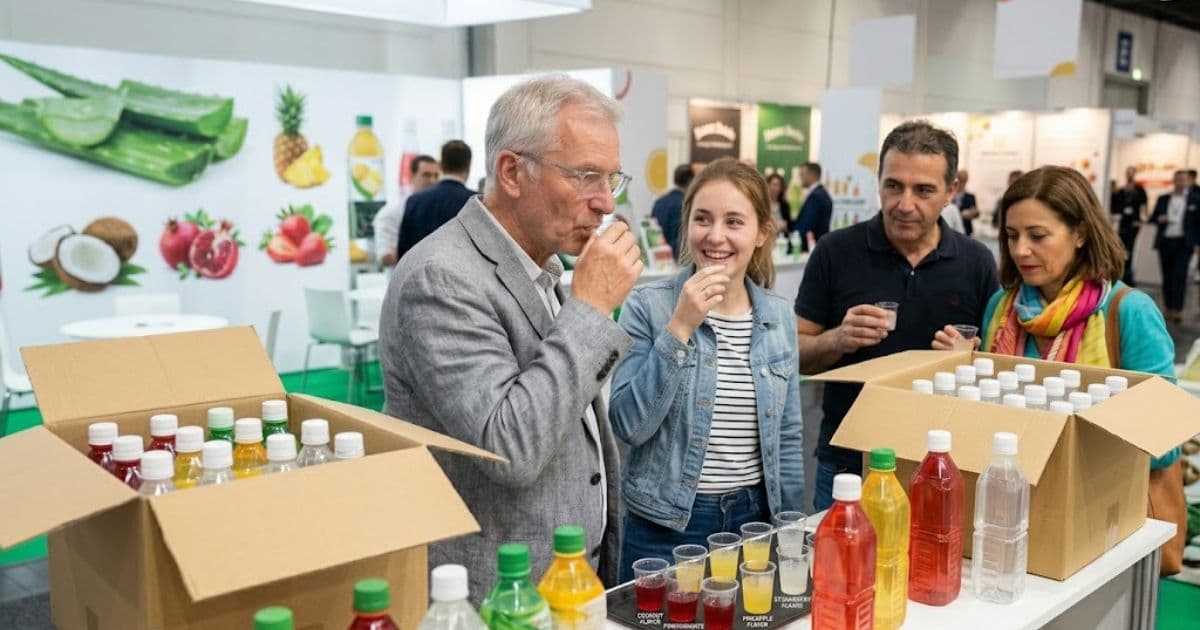
Global beverage buyers use sampling as a critical evaluation step before committing to a supplier. Beverage sampling helps importers and distributors assess not only taste and packaging, but also consistency, professionalism, documentation quality, and supplier reliability. A strong sampling process reduces sourcing risk and increases confidence before first orders are placed.
I/ Why Sampling Matters in International Beverage Trade
- In international beverage sourcing, sampling is far more than a simple product trial. Importers and distributors rely on samples to evaluate whether a supplier is capable of meeting real market expectations.
- Before placing a commercial order, buyers need reassurance that the products match their target market requirements in terms of flavor, packaging, positioning, and operational readiness. Beverage sampling allows buyers to reduce uncertainty before investing in logistics, marketing, distribution, and shelf placement.
- For many global buyers, the sampling stage determines whether a supplier advances to deeper negotiations. Even if a catalog looks impressive, the actual sample experience often shapes the final impression.
Well-prepared export beverage sampling programs can also demonstrate:
- Product consistency
- Packaging quality
- Shelf-life confidence
- Export readiness
- Supplier responsiveness
- Communication professionalism
A supplier that handles the sampling process efficiently often appears more trustworthy and commercially prepared.
II/ What Buyers Evaluate When They Receive Beverage Samples
1. Product Taste and Overall Drinking Experience
Taste remains one of the most important elements during beverage sampling. Buyers analyze whether the flavor profile matches current consumer preferences and target market positioning.
Key evaluation points usually include:
- Flavor clarity
- Sweetness balance
- Aroma quality
- Mouthfeel
- Aftertaste
- Refreshment level
For functional beverages, juice drinks, aloe vera beverages, coconut water, or tropical fruit products, buyers also consider whether the product feels authentic and marketable.
A beverage may look attractive in a catalog, but if the drinking experience feels inconsistent or artificial, buyers may hesitate to continue discussions.
2. Packaging Appearance and Shelf Presence
Packaging plays a major role in supplier evaluation samples. Importers carefully assess how the product will appear on retail shelves, convenience stores, supermarkets, or food service channels.
Buyers commonly evaluate:
- Label clarity
- Packaging design
- Bottle or can shape
- Size perception
- Printing quality
- Market relevance
- Shelf visibility
Packaging practicality is equally important. Buyers want to know whether the format is suitable for shipping, storage, and retail display.
Even strong beverage formulas can lose buyer interest if the packaging appears outdated or commercially weak.
III/ What Makes a Sample Process Feel Professional
One of the first things buyers notice is response speed. Delayed communication or slow sample preparation may suggest operational inefficiency.
Professional beverage sample requests are usually supported by:
- Clear communication
- Organized documentation
- Fast response times
- Accurate product information
- Reliable shipping coordination
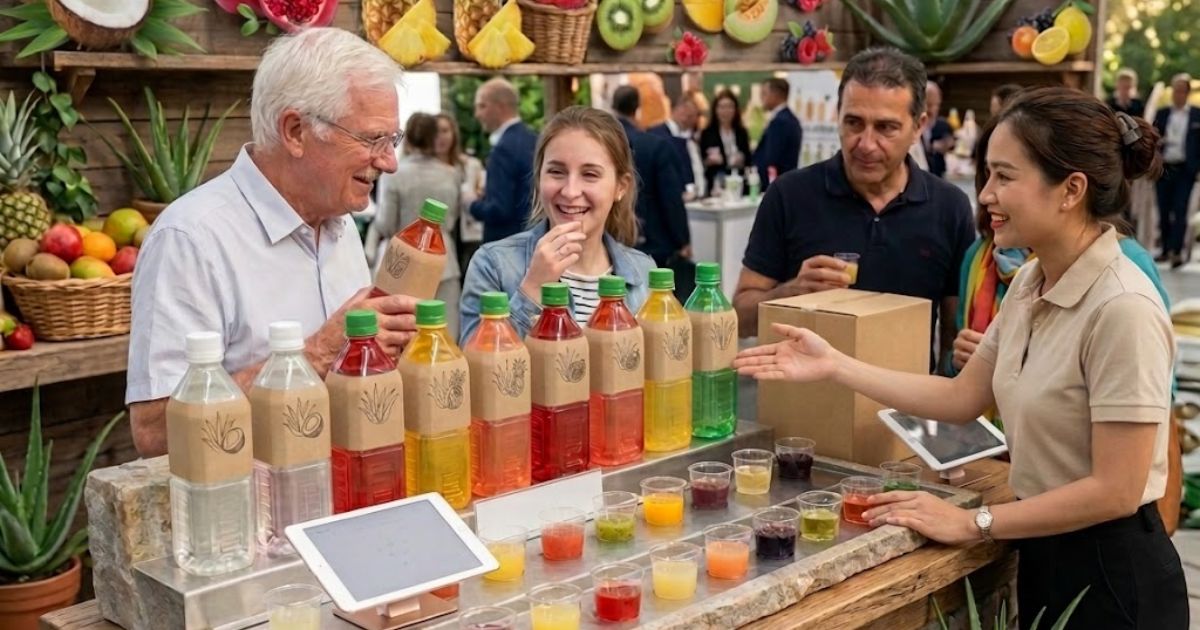
Buyers also appreciate suppliers that include structured support materials together with the samples.
IV/ Common Mistakes That Weaken Sample Credibility
1.Sending Products That Do Not Match Catalog Claims
One of the fastest ways to lose buyer trust is sending samples that differ from catalog descriptions.
Common problems include:
- Outdated labels
- Incorrect packaging formats
- Different ingredient positioning
- Inconsistent flavor quality
- Missing product features
Buyers expect beverage trial packs to reflect actual production standards, not one-time showcase versions.
When discrepancies appear between marketing materials and physical samples, buyers may question the supplier’s overall reliability.
2. Poor Packaging Condition or Incomplete Documentation
Damaged shipments immediately create concern for importers and distributors.
Issues such as leaking bottles, dented cans, broken seals, or poorly packed cartons may suggest future logistics risks.
Incomplete documentation can also slow down evaluation. Missing information regarding ingredients, certifications, shelf life, or packaging specifications often forces buyers to request additional clarification.
Professional supplier evaluation samples should arrive organized, protected, and fully supported by accurate documentation.
3. No Guidance on How to Evaluate the Sample Range
Some suppliers send too many unrelated SKUs without explaining why the products were selected.
This approach can overwhelm buyers rather than support decision-making.
Instead of random product combinations, buyers prefer curated beverage sample requests that align with:
- Market trends
- Target channels
- Consumer demographics
- Regional demand
- Category performance
Providing context helps buyers evaluate products more efficiently and move toward commercial discussions faster.
V/How Suppliers Can Use Sampling to Move Toward First Orders
Sampling should not end when the shipment arrives.
The most effective suppliers treat beverage sampling as part of a structured relationship-building process.
After delivery, suppliers should follow up professionally to:
- Confirm sample receipt
- Gather buyer impressions
- Clarify preferred categories
- Identify strongest-performing SKUs
- Discuss target market opportunities
- Propose next commercial steps
This approach helps transform product sampling into meaningful business development.
Professional follow-up also demonstrates reliability, responsiveness, and long-term partnership potential.
Rather than acting like a free giveaway, export beverage sampling should function as a commercial evaluation system designed to support informed sourcing decisions.
VI/Conclusion
Beverage sampling plays a major role in international supplier evaluation. Global buyers assess far more than taste alone during the sample stage. They also evaluate packaging quality, consistency, communication, documentation, and overall supplier professionalism.
For importers and distributors, a strong sampling experience provides valuable insight into both the beverage itself and the supplier behind it. Clear communication, organized support materials, and commercially realistic samples can significantly improve trust and accelerate sourcing decisions.
Frequently Asked Questions
Quick answers about this topic
Related Topics
VINUT Team
Beverage Industry Analyst
The VINUT editorial team brings 15+ years of expertise in Vietnamese beverage manufacturing, global export markets, and B2B industry trends across APAC, EU, and Middle East regions.