

Quick Answer
In today’s competitive beverage industry, tropical flavors continue to stand out as a reliable growth category. Rather than being a passing trend, they offer a strong combination of consumer appeal, visual impact, and adaptability—making them highly valuable across international markets.
Tropical flavors define refreshment
Consumers often associate tropical flavors with freshness, hydration, and enjoyment. Fruits like mango, pineapple, coconut, and guava immediately communicate a refreshing drinking experience. This clarity helps products perform well on shelves, as shoppers can quickly understand the taste and occasion without hesitation.
Familiar yet different
One reason tropical flavors remain dominant is their balance between familiarity and novelty. While they are widely recognized, they still feel more exciting than traditional options like apples or oranges. This allows brands to attract both mainstream consumers and those seeking new taste experiences—supporting both trial and repeat purchases.
Flexibility across beverage formats
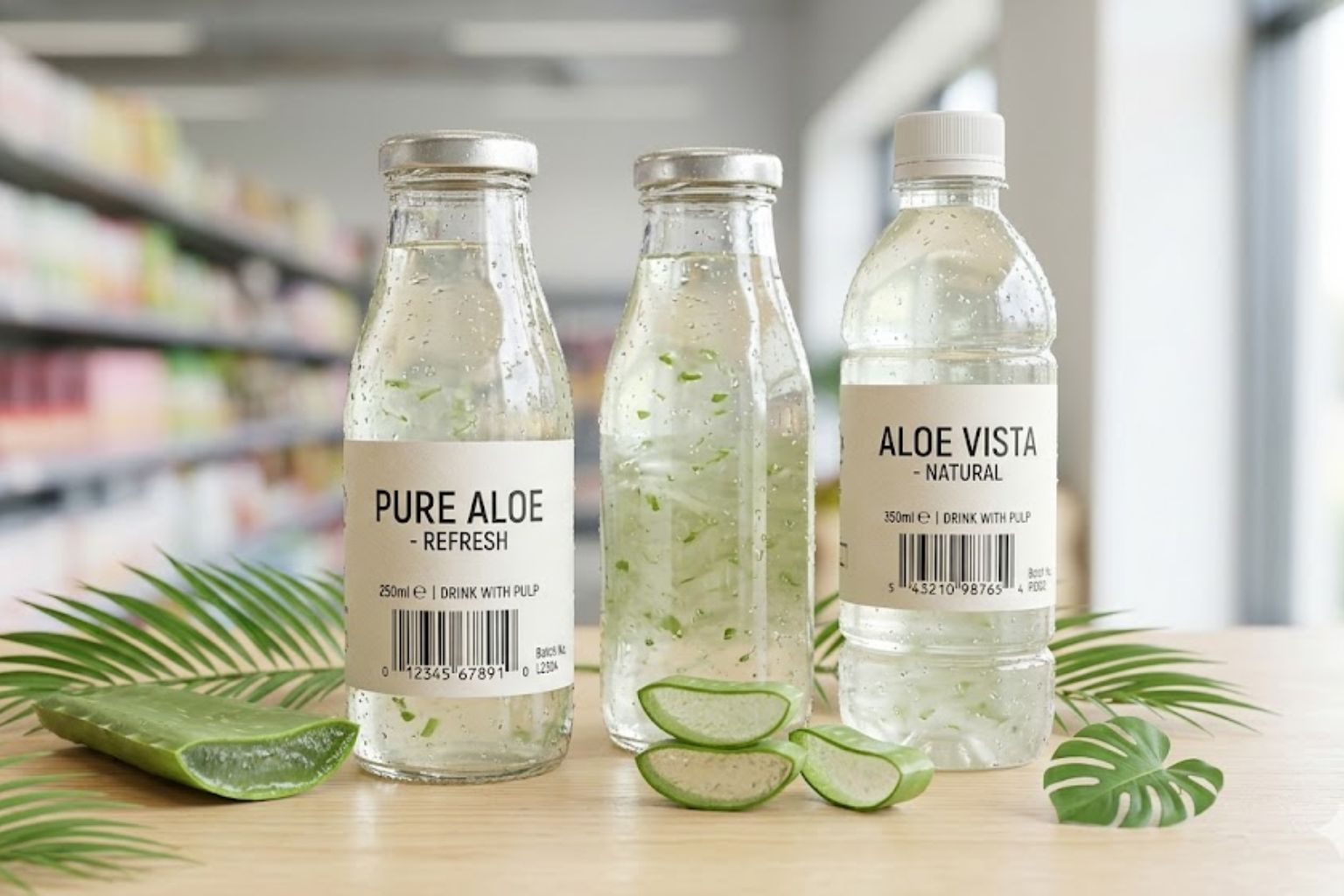
Tropical flavors are not limited to a single product type. They perform consistently across juice drinks, coconut water, aloe vera beverages, and sparkling formats. This versatility enables distributors to build a cohesive yet diverse product range. For a more structured approach to range expansion, businesses can explore strategies for building a balanced tropical beverage portfolio.
Strong visual and merchandising impact
Products featuring tropical flavors benefit from vibrant colors and clear fruit imagery, which enhance shelf visibility and improve digital performance. In both physical retail and e-commerce, strong visual cues help consumers quickly identify flavor profiles, increasing engagement and conversion rates.
Strategic value for global expansion
From a commercial perspective, tropical flavors offer strong potential for line extension and market adaptation. Brands can develop mixed fruit blends, functional beverages, or multi-SKU assortments while maintaining a consistent identity. However, success in international markets also depends on factors such as packaging, compliance, and positioning—key elements of what makes a beverage brand export-ready.
Conclusion
The continued success of tropical flavors comes from their ability to combine consumer familiarity with commercial flexibility. For buyers and distributors, they are not just popular—they are a scalable, adaptable category that supports sustainable growth in global beverage markets.
Frequently Asked Questions
Quick answers about this topic
Related Topics
VINUT Team
Beverage Industry Analyst
The VINUT editorial team brings 15+ years of expertise in Vietnamese beverage manufacturing, global export markets, and B2B industry trends across APAC, EU, and Middle East regions.